

|
|||||||
|
DHHS pulls request for PIHP rebid proposals after court order, says it's considering next steps A request for proposals from the Department of Health and Human Services that would have kicked into gear the rebid of the state's prepaid inpatient health plan system was rescinded this week, following a court order which urged officials to rework their plans. DHHS officials confirmed the RFP had been pulled after it was no longer spotted on the Department of Technology, Management and Budget's web pages Friday. DHHS spokesperson Lynn Sutfin said the department is evaluating its options for reforming publicly supported coverage of behavioral and mental health care. "DHHS has rescinded the Request for Proposal in order to evaluate next steps and available options in alignment with our commitment to ensuring Michigan's behavioral health system is structured in a way that best serves beneficiaries and aligns with federal and state requirements," Sutfin said in a statement. "At the center of this work is a focus on improving access to care, strengthening consumer choice and ensuring Medicaid resources are used efficiently toward direct services rather than duplicative administrative functions." The initial RFP had sparked controversy among community mental health providers and the PIHPs themselves, who went to court to argue that a rebid under the RFP's conditions would constitute essentially privatization of the system. The initial RFP had set a goal of fall 2026 for implementation of a new coverage system. Earlier this month, a Court of Claims judge ruled the RFP conflicted with state law. The ruling did not, however, instruct DHHS on how to remedy the issue. Sutfin said the department looks forward to continued community engagement as it looks for ways to modernize the PIHP framework. She emphasized that pulling the RFP does not mean the department is abandoning its efforts to improve a system DHHS believes is in great need of updating. "Michigan's behavioral health delivery framework has remained largely unchanged since the late 1990s, despite significant changes in health care delivery, financing, integration expectations and federal oversight," Sutfin continued in the statement. "This requires the department to assess whether the current structure is positioned to meet today's demands and future needs."
State Budget Director Jen Flood will present Gov. Gretchen Whitmer's final budget recommendation for her time as governor during a joint session of the House and Senate Appropriations Committee s on Wednesday, Feb. 11. The State Budget Office announced the presentation in a press release sent out Friday. The presentation will be made in Heritage Hall at 1 p.m. During the Consensus Revenue Estimating Conference, held earlier this month, officials from the Department of Treasury, the House Fiscal Agency and the Senate Fiscal Agency revised revenues for the 2026-27 fiscal year down by about $1.1 billion. The decrease for the General Fund was $1.27 billion, but the School Aid Fund was expected to increase by $169.7 million. Because of the downward revisions, Flood told reporters after the January CREC that difficult decisions will need to be made for the upcoming budget. "Getting the budget done this year won't be a cakewalk, given some of these unique challenges that we're facing, but we can do hard things," Flood said earlier this month. House Republicans have touted their approach to the budget last year given the downward revisions in revenue estimates, and House Speaker Matt Hall, R-Richland Township, has expressed enthusiasm at cutting the budget further at press conferences during the last month. The House has session scheduled for 1:30 pm on Feb. 11, but Jeff Wiggins, Hall's press secretary, said he expected the chamber would accommodate the presentation so members can attend.
Michigan is the only state in the country without a comprehensive septic code intended to prevent contamination of drinking water, but a Senate bill looking to address the regulation, inspection and re-evaluation of septic systems would change that. Megan Tinsley, the water policy director of the Michigan Environmental Council, said that past efforts to adopt a statewide code have failed. Tinsley said a higher percentage of Michigan households rely on septic systems than the national average. According to the Department of Environment, Great Lakes and Energy (EGLE), more than 1.3 million septic systems are used across the state to treat wastewater before returning it to the environment. EGLE also estimates that at least 20% of those systems are failing. Tinsley said that failing systems release up to 31 million gallons of wastewater per day into state waters, posing a threat to both humans and the environment. Joan Rose, a microbiologist at Michigan State University who specializes in water microbiology, studies the impact of septic systems on diseases in the environment. She said the waterborne pathogens introduced by septic tanks include E. coli, salmonella and hepatitis A. Rural communities across the state are at the highest risk, with many relying on groundwater and wells. A lack of regular inspections, especially at older homes, increases this risk. Sen. Sam Singh (D-East Lansing) is putting together a Michigan-specific septic code with by Sens. Veronica Klinefelt (D-Eastpointe), Dayna Polehanki (D-Livonia) and Sue Shink (D-Dexter) signing on as co-sponsors. SB 771 , introduced this week, includes specifications for minimum distances between drinking water sources and septic tanks, along with mandatory inspections every 10 years on systems 30 years or older. It would put the responsibility to regulate and inspect septic systems on local public health departments. Those potential new responsibilities raise concerns about the strain on staff and budgets for local health departments across the state. Norm HESS, the executive director of the Michigan Association for Local Public Health, said that despite the concerns, the state would benefit from having a statewide code. “The Legislature is going to have to come up with the additional funding,” he said. “I don’t want people to have the understanding that there is no one out there regulating septic systems,” Hess said, adding that there are still local codes to follow. Hess added that a statewide code would also help those who own multiple homes, as they wouldn’t have to keep track of multiple septic regulation guidelines. Currently, 11 of Michigan’s 83 counties have septic codes. They include Oakland, Washtenaw, Kent, Livingston, Mackinac, Grand Traverse and Ingham counties. DCD MUNICIPAL MINUTE: DATA CENTERS 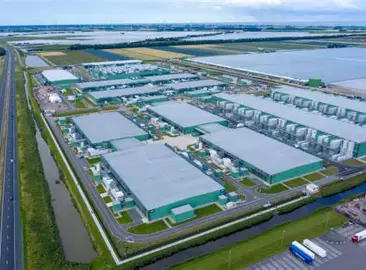 Sector Snapshot: Rapid Growth & Local Interest Michigan is actively emerging as a focal point for large-scale data center development — driven largely by demand for cloud computing, artificial intelligence services, and industrial digital infrastructure. Developers have approached at least 10 communities with potential projects, and utilities are negotiating substantial power deals to support them.
These developments reflect national trends of data center investment but come with unique implications for Michigan’s energy, water, and planning landscapes. Key Policy & Regulatory Developments State Legislation & Incentives
Utility & Regulatory Decisions
Municipal Impacts & Local Government Action Zoning, Moratoriums & Ordinances Many municipalities are responding proactively as proposals reach planning or permitting stages:
Land Use & Infrastructure Considerations Data centers require extensive power delivery, high-speed fiber, and often large land footprints. Stakeholders — including transmission providers — are accelerating grid upgrades to support future load growth, which has implications for land use planning and easement negotiations. Municipalities are also reminded that local zoning, permits, and master plans remain central levers, even when state incentives are in place. Environmental & Community Considerations: Water & Energy Use Data centers vary widely in resource use:
Resident & Advocacy Input Across communities, public engagement reflects a broad range of perspectives:
Municipal newsletters should continue to encourage constituent participation in local planning meetings and MPSC proceedings, noting that Michigan’s Open Meetings Act allows broad community input on these issues. Looking Ahead: What Municipal Leaders Should Track
DCD OUT & ABOUT
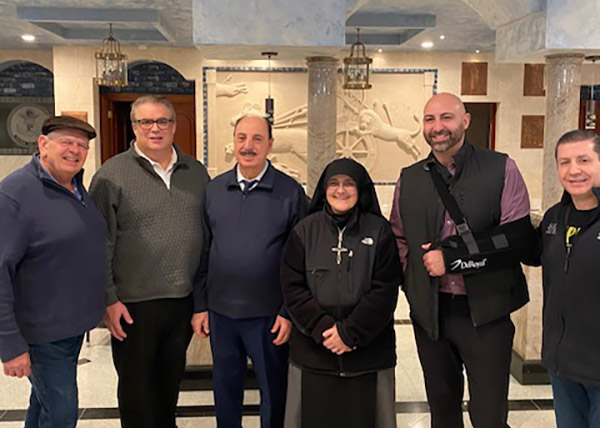 Senator Mat and Sam Kassab were happy to host one of the sisters representing the traditional Catholic nuns affiliated with the Fraternite Notre Dame at the first planning meeting for this years Salute Our Warriors event. Senator Mat and Sam Kassab were happy to host one of the sisters representing the traditional Catholic nuns affiliated with the Fraternite Notre Dame at the first planning meeting for this years Salute Our Warriors event.
DCD IS A FULL-SERVICE, BI-PARTISAN, MULTI-CLIENT LOBBYING FIRM REMEMBER ALL OF DCD'S SERVICES: ARTICLES OF POLITICAL INTEREST:
Michigan quietly kills effort to restructure mental health care system - Bridge Michigan Fact check: Are regulations to blame for rising Michigan house costs? - Bridge Michigan Michigan license plate cameras face backlash: Big help, or Big Brother? - Bridge Michigan Michigan's 2026 gubernatorial race: Who's in as campaign season nears PARTING WISDOM: 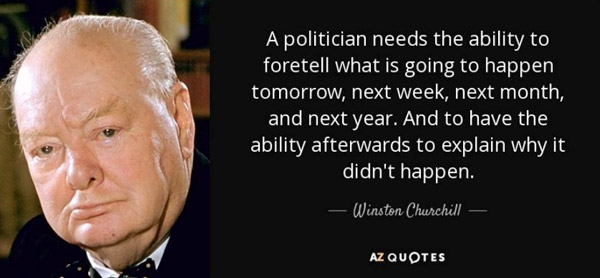
Doing Things Differently DCD is rebranding, and our bottom line is your bottom line. We are striving to create and foster strong relationships with clients and lawmakers, deliver results with strong ethics and class, but above all else, out-hustle and out-smart our competition every day to be the very best. We’re making chess moves while others are playing checkers. Everything we do is with you in mind, we’re doing things we’ve never done before and aggressively pursuing opportunities. The time is now. DCD has taken our firm to the next level and your involvement and investment paired with our knowledge and expertise is going to launch the great state of Michigan forward. |
|||||||
|
|||||||

 Executive budget recommendation presentation set for next month
 Michigan is last state without a septic system code. Will that change?
 Jake German attended Mike McGuinness' Inaugural Gala last weekend and DCD looks forward to continuing to work with the Mayor to do great things in Pontiac.
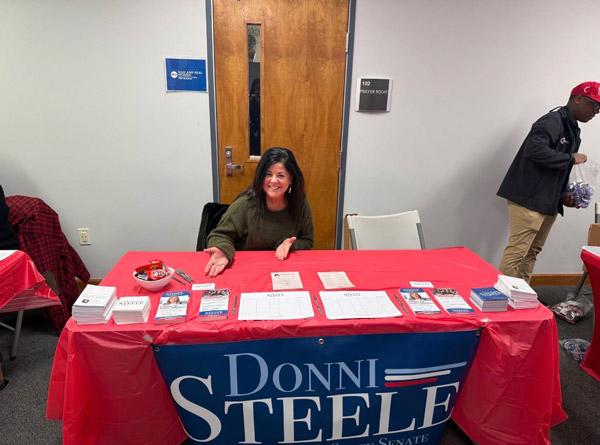 DCD's Beth Makarewicz volunteered for State Rep Donni Steele over the weekend at the 9th District Secretary of State Debate.


Contact Us
Address
Phone
Copyright © Dunaskiss Consulting and Development Inc.


